



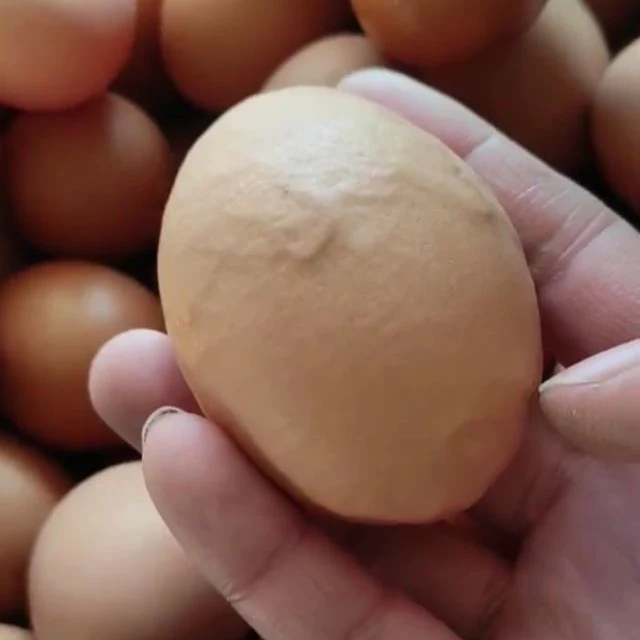
Healthy laying hens produce standard, smooth, oval-shaped eggs. Every deformed, soft-shelled, sandy-stained, blood-spotted, and discolored egg is never a coincidence. It is a clear warning signal from your flock regarding bird health, feed nutrition, daily management, and coop environment.
Most farmers only focus on egg production rates but ignore the hidden diseases and management flaws behind abnormal eggs. By accurately identifying different abnormal egg types and pinpointing root causes, you can effectively reduce defective egg rates, minimize flock losses, and stabilize your overall farming profits.
1. Odd-Shaped Eggs: Mostly Genetic & Physiological, No Disease Risks
Most irregularly shaped eggs stem from genetic traits and normal physiological changes instead of infections, so medication is unnecessary.
Irregular Malformed Eggs
Eggs with chaotic and uneven shapes are purely caused by hen genetics. They have no connection with diseases or feeding management and will not affect flock health.
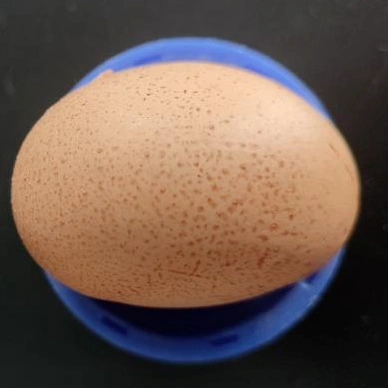
Double-Yolk Eggs
Double-yolk eggs commonly appear in newly laying pullets. The younger the hens start laying, the higher the occurrence rate. They form when two yolks enter the oviduct simultaneously. Excessive double-yolk eggs may easily cause hen prolapse and require close observation.
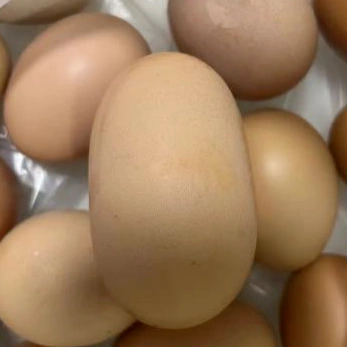
Elongated Deformed Eggs
Slender and shrunken eggs are formed by the extrusion of two eggs inside the oviduct. This is a genetic physiological deformity with no pathogenic factors.
2. Abnormal Shell Surface & Color: Signs of Nutrient Imbalance, Disease & Stress
Pale shells, sandy surfaces, calcium spots, ridge protrusions, and wrinkled shells are typical symptoms of viral infections, nutritional deficiencies, and stress — key indicators for farm inspection.
Pale White-Shelled Eggs
For brown-egg layers, faded white shells result from two main causes: nicarbazin residue in feed that damages shell pigmentation, or viral infections including infectious bronchitis and Newcastle disease that impair oviduct functions.
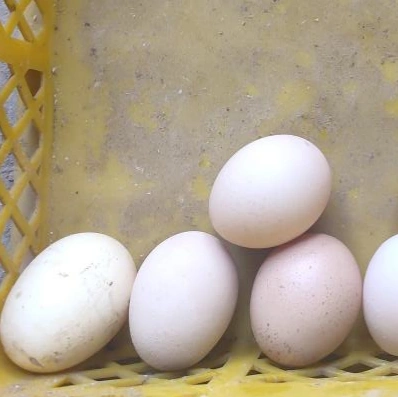
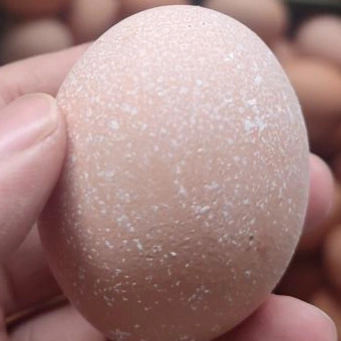
Sandy-Shelled Eggs
Rough and sandy blunt ends with watery egg contents usually indicate infectious bronchitis. Slight sandy shells caused by breed characteristics do not affect egg quality and need no intervention.
Eggs with thin, rough tips and clear boundaries between normal and abnormal shell areas are mostly caused by Mycoplasma synoviae infection.

Calcium-Spotted Eggs
White calcium spots on shells occur due to insufficient calcium intake and unbalanced calcium-phosphorus ratio during shell formation, leading to incomplete calcification.
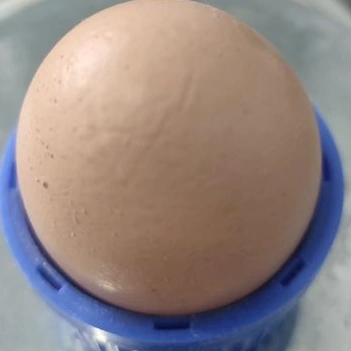
Ridged-Shelled Eggs
Protruding ridges on the egg top are mainly triggered by laying stress; regular ridge lines on the shell side are a typical sign of infectious bronchitis.
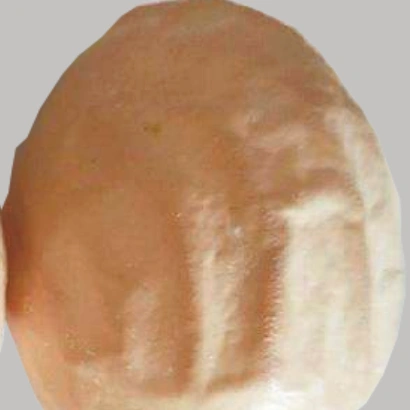
Wrinkled-Shelled Eggs
Shell wrinkles are caused by three factors: copper deficiency leading to defective shell membrane development, uterine inflammation causing uneven contraction, and acute stress resulting in oviduct dysfunction.
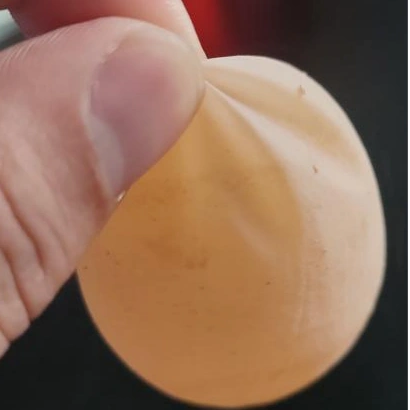
3. Thin & Soft-Shelled Eggs: Caused by Calcium Deficiency, Stress & Diseases
Soft and thin-shelled eggs are the most common defective eggs in poultry farming, mainly linked to nutritional shortages, improper management, and viral diseases.
Young laying hens ovulate rapidly in the early laying stage, where calcium secretion cannot keep up with shell synthesis, easily producing soft-shelled eggs. Aging laying hens have declining physical functions and lay heavier eggs with thinner shells, requiring timely calcium supplementation and evening feeding enhancement.
In addition, high temperature in summer reduces feed intake and calcium absorption. Egg drop syndrome and other diseases will also trigger large-scale thin and soft-shelled eggs.
4. Blood-Stained & Dirty Eggs: Wounds, Poor Sanitation & Intestinal Disorders
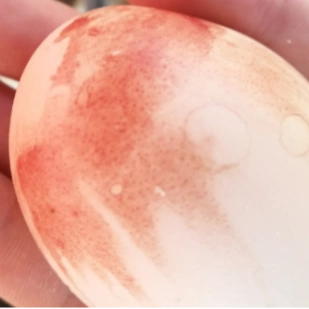
Blood-Stained Eggs
Shell blood stains result from cloacal damage, caused by extrusion of oversized eggs or vent pecking among flocks, leaving blood adhered to the shell surface.
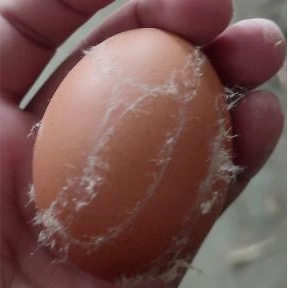
Dirty Eggs
Dust and dirt on eggs come from poor coop sanitation. Eggs get contaminated when rolling on dirty cages and ground, belonging to daily management loopholes.
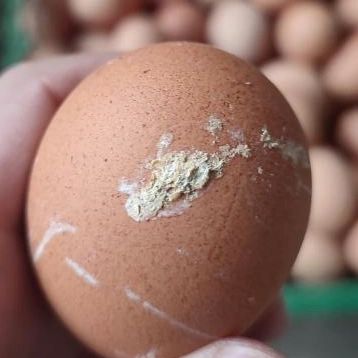
Fecal-Stained Eggs
Fecal contamination on shells is mainly caused by intestinal diseases, which lead to frequent loose droppings and stain the eggs.
- Spotted & Yolkless Eggs: Oviduct Damage Warnings
Blood-Spotted Eggs
Blood spots and clots in egg whites are caused by ruptured blood vessels in the oviduct or yolk sac, commonly triggered by flock stress and infectious bronchitis infection.
Tissue-Spotted & Yolkless Eggs
These abnormal eggs are typical symptoms of salpingitis. Shed oviduct mucosal tissues form flesh spots. Severe inflammation frequently produces tiny yolkless eggs, representing severe damage to the hens’ reproductive system.
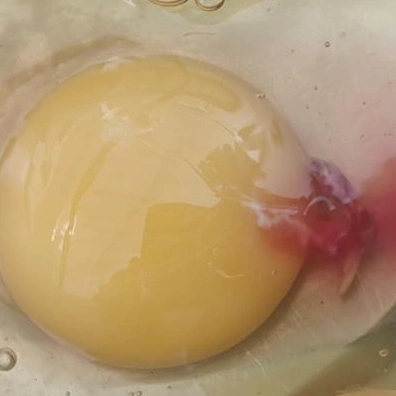
6. Abnormal Yolk Color: Nutrient Malabsorption
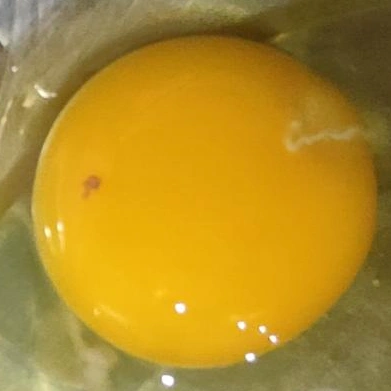
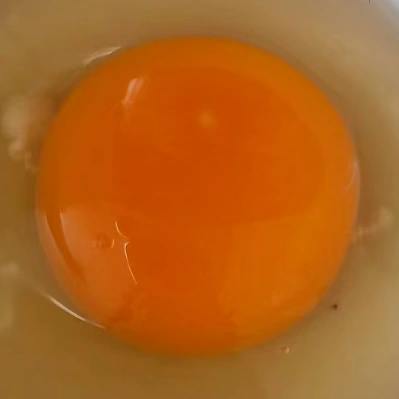
Yolk color mainly depends on pigment content in feed. If yolks appear pale and uneven in color with qualified feed formula, the flock is likely in sub-health or diseased, with impaired digestion and nutrient absorption capacity.
Conclusion
Abnormal eggs are the most intuitive barometer of poultry farming. Physiological deformed eggs require no intervention, while sandy-shelled, pale-shelled, soft-shelled, and blood-spotted eggs indicate calcium deficiency, stress response, viral diseases, intestinal inflammation, and oviduct lesions. Wise farmers can quickly identify farming problems through egg conditions, optimize feed nutrition, improve coop management, and prevent diseases scientifically. This is the key to stabilizing egg quality, maintaining sustainable laying performance, and maximizing farming benefits.